

Pauline Ngan: Building a collaborative cross‑border e‑commerce ecosystem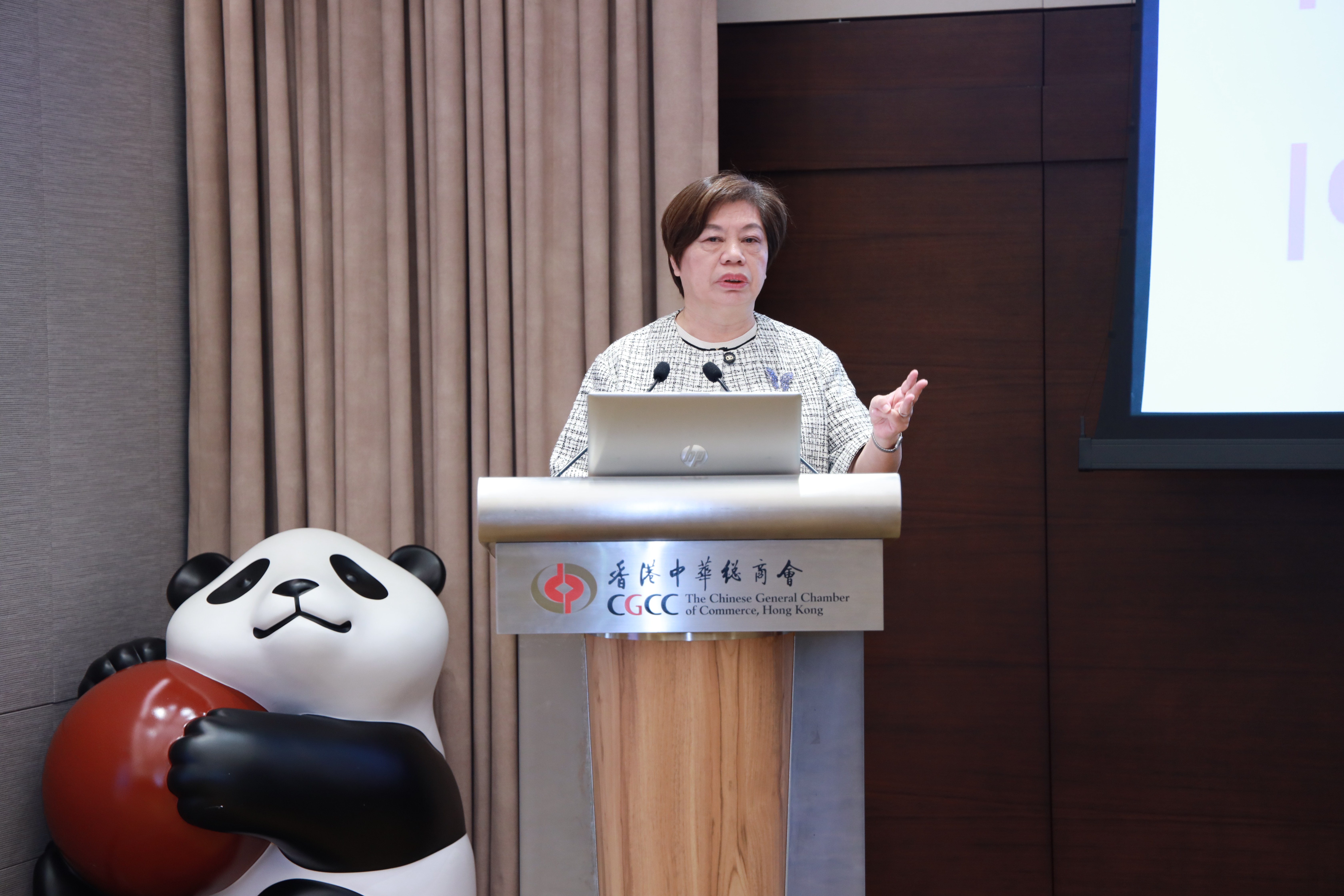
Statistics show that cross‑border e‑commerce volume in the Chinese Mainland has grown more than ten‑fold over the past five years. Emerging Southeast Asian markets register annual growth of up to 30 %, fueled by young demographics and high smartphone penetration, which in turn spur the boom in social commerce and livestream sales. A wave of brick‑and‑mortar store closures has swept across Europe and North America, with major international retail chains shutting thousands of outlets in recent years. Markets are shifting toward order patterns featuring small‑batch production, diversified product ranges and fast delivery. Pauline Ngan, the Chamber’s Standing Committee Member, Deputy Chairman & Managing Director of Mainland Headwear Holdings Ltd., notes that such trends force manufacturers to adjust their operational strategies.
Ngan points out that cross‑border e‑commerce, together with the upgrading of the “cross‑border e‑commerce + overseas warehouse” model, has featured in national government work reports for successive years. Supported by the “Belt and Road Initiatives” (B&R) and RCEP, a vast trade network has taken shape. She shares her group’s overseas footprint: for instance, it operates a 1.5‑square‑kilometre bonded warehouse near Mexico’s border with the United States — the only Chinese‑owned enterprise granted access to a free‑trade zone in the country. The facility helps Hong Kong and Mainland firms resolve logistical pain points. The group also runs production bases in Cambodia to tap tariff benefits and traffic opportunities within ASEAN markets.
Hong Kong’s unique strengths call for knowledge‑sharing
She adds that underpinned by “One Country, Two Systems”, free capital flows, a low‑tax regime and access to international talent, Hong Kong can perform its role as a “super connector” to generate synergies between Mainland supply chains, Hong Kong‑based platforms and global markets. She also reveals that the group has repurposed an old industrial park in Shenzhen into a cross‑border e‑commerce industrial park with annual turnover exceeding RMB 8 billion, alongside acquisitions of European brand‑licensing agencies. The group now holds more than 350 IPs available for licensing to entrepreneurs, nurturing young talent entering the e‑commerce sector.
Ngan acknowledges persistent industry pain‑points including disparate local regulations and certification requirements, logistical bottlenecks and talent shortages. Industry players should foster exchange platforms and encourage Hong Kong enterprises and second‑generation business owners to seize opportunities. Breaking free from conventional trade mindsets, businesses should leverage Hong Kong’s strengths to actively pursue cross‑border e‑commerce and deliver high‑quality global expansion.
Lucas Li: Opportunities are fleeting — stay alert to seize them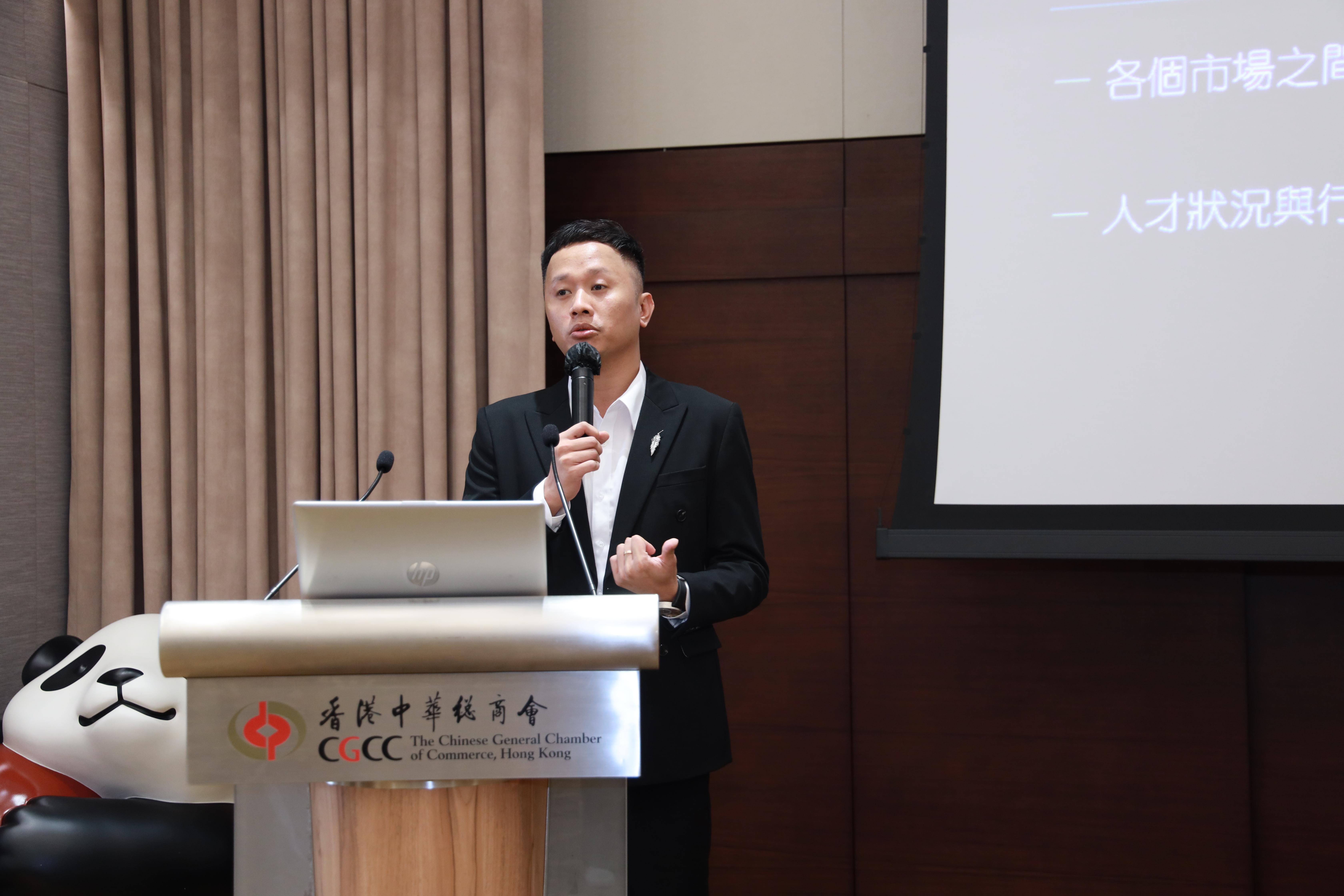
Drawing on 17 years of entrepreneurial experience, Lucas Li, CEO of Shenzhen Red Dragon Industrial Co., Ltd., unpacks cross‑border e‑commerce fundamentals and analyses market entry opportunities for Hong Kong operators.
Li recalls launching his e‑commerce venture in the Chinese Mainland back in 2009. Leveraging Mainland supply‑chain advantages, he earned solid margins exporting USB cables priced at just RMB 10 overseas, and has since focused on cross‑border business. Yet he stresses his entrepreneurial journey was far from smooth‑sailing. Five e‑commerce companies and one factory under his helm failed at different stages. At one point, despite robust monthly profits, a RMB 3 million cash‑flow shortfall nearly drove him to collapse. Following capital injection, his team expanded from three to over 600 staff and achieved annual sales of more than a billion RMB. Some of his peers built two Mexican‑focused trading businesses each with annual turnover of RMB 1 billion starting from merely RMB 1.8 million in seed capital.
New industry, new rules
He observes that cross‑border e‑commerce differs sharply from traditional sectors: traffic is heavily concentrated on a handful of major online portals. While market size is enormous, competition is cut‑throat. Factories once largely dismissed e‑commerce retail. As profit potential became evident, Shenzhen grew as a cross‑border e‑commerce hub whose influence spread nationwide. Facing saturated competition in European and North American markets, his team pivoted to Latin America, capitalizing on comprehensive Mainland supply chains to supply differentiated general merchandise and break into new markets.
Li explains that the e‑commerce landscape evolves at breakneck speed. Platform rules and market windfalls often last only a few months. Many small‑capital entrepreneurs profit within short opportunity windows. AI technologies keep reshaping industry dynamics, making innovative thinking among young generations particularly valuable. Cross‑border e‑commerce accommodates both large‑scale investment and provides leap‑frog opportunities for small‑scale start‑ups. Long‑term competitiveness hinges on local overseas production capacity. Establishing manufacturing facilities in target markets cuts tariff and logistics costs, building complete value chains covering production, branding, warehousing and distribution to create durable business moats.
In his view, Hong Kong’s strengths in free capital movement, visa‑free travel and global vision attract many Mainland enterprises to set‑up bases here. Nevertheless, opportunities do not materialize automatically. Hong Kong manufacturers, investors and young people must invest time and commit to deep‑sector engagement if they wish to gain market share. (28/8)
|
Cross‑border e‑commerce Q&A
Q: What are your views on Double Taxation Agreements (DTAs) with Bangladesh and Mexico?
Ngan: Bangladesh has no corresponding double‑taxation or trade agreements with Hong Kong or the Chinese Mainland. High tax and policy risks render large‑scale investment inadvisable. By contrast, Mexico offers usable relevant agreements. Our bonded overseas warehouses complete duty payment in advance. Goods can be shipped swiftly to the United States and Latin America upon order confirmation, lowering cross‑border tax and logistics costs. DTAs must be factored in when selecting overseas operational bases.
Q: What logistics options apply for shipments to Latin America? How should businesses ensure compliance, and should local overseas warehouses be adopted?
Li: Enterprises may establish their own import entities and overseas warehouses in target markets. Third‑party service providers also deliver one‑stop import‑export and customs‑clearance agency solutions. Such end‑to‑end services generate considerably higher margins than basic warehousing. Operators can conduct triangular trade via Hong Kong to effect title transfer of goods and advance operational compliance. |
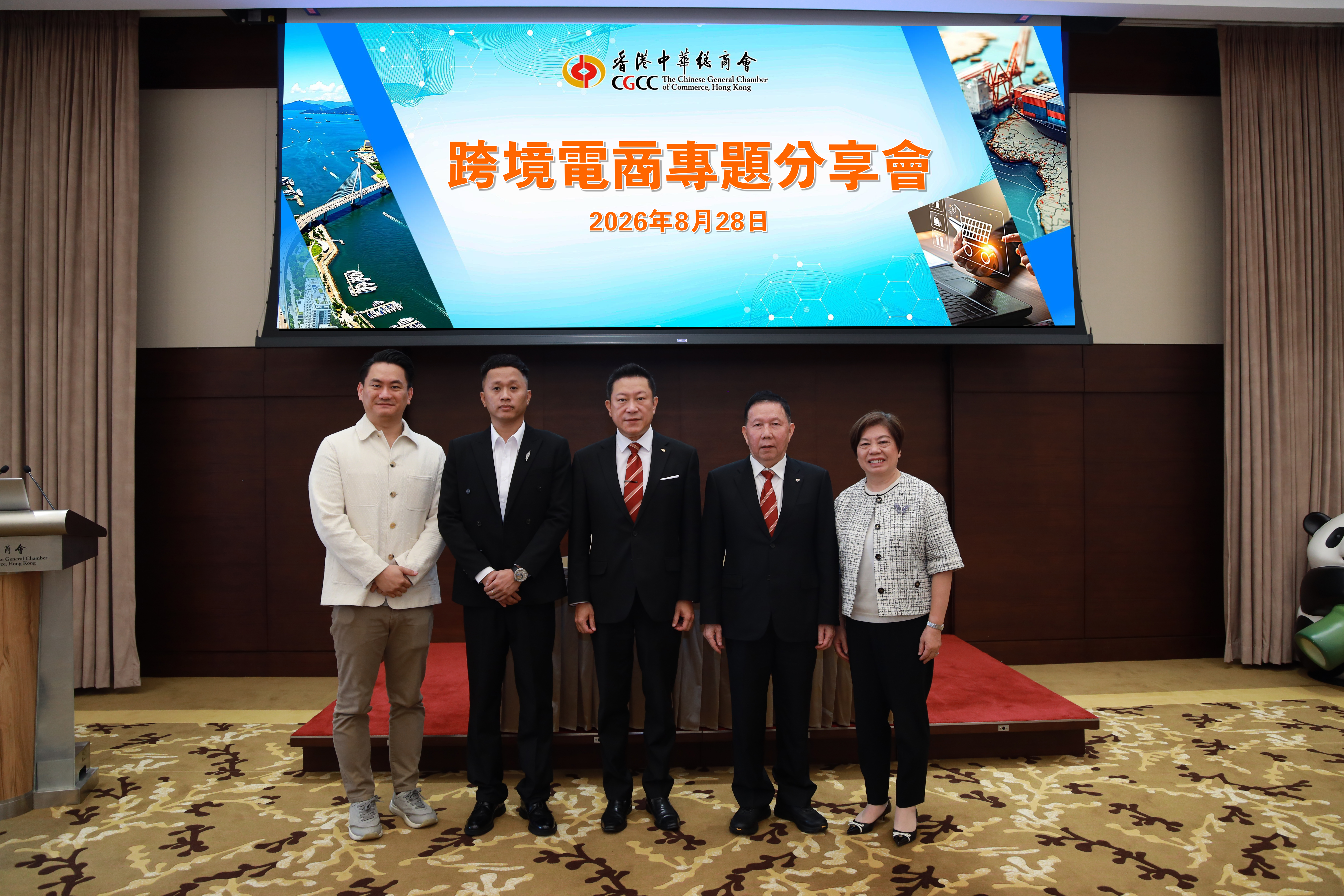
This article captures highlights from the seminar “Sharing Session on Cross‑border E‑commerce”, organized by the Chamber’s Mainland Affairs Committee.