

All because of Snoopy and Barbie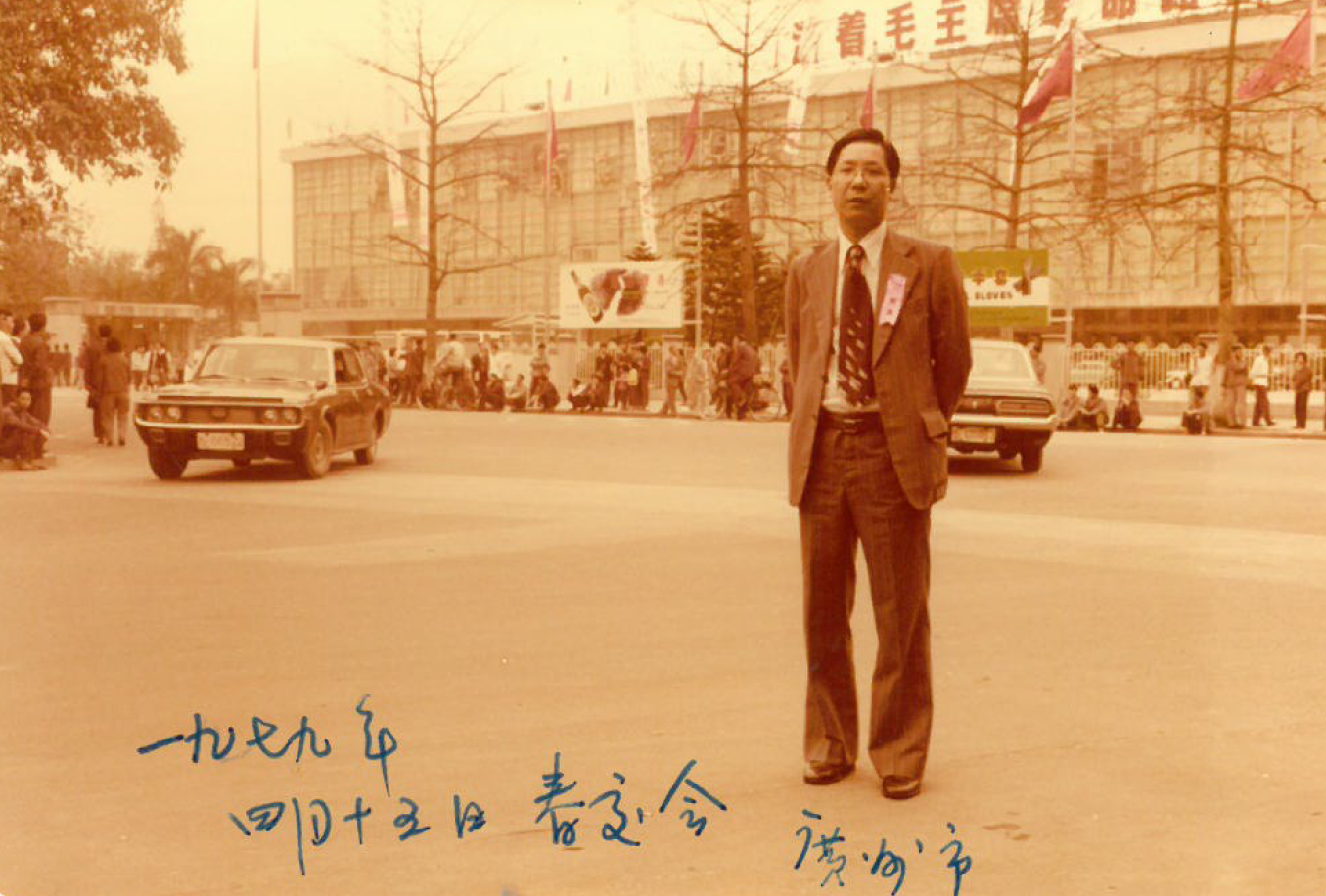
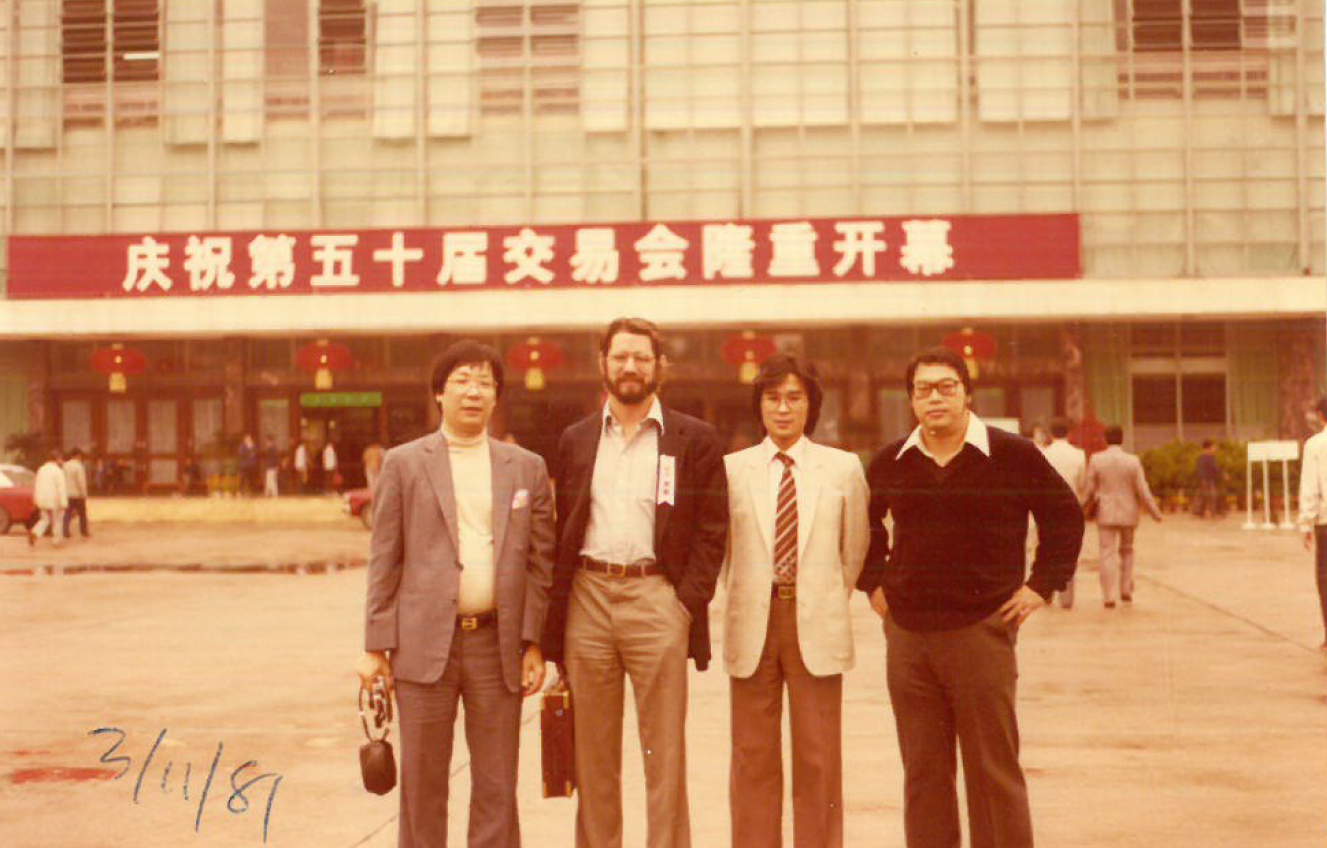
Lam’s connection with the Canton Fair began in 1978 — the first year of China’s reform and opening-up, and also the golden era of Hong Kong’s manufacturing industry. He recalled: “At that time, I ran a toy factory in Hong Kong, producing Snoopy and Barbie dolls. Although the factory was in Hong Kong, many accessories such as fabrics, lace, ribbons and zippers had to be procured from the Chinese Mainland.”
At the time, he officially entered the Canton Fair under the guidance of a friend. He said with a smile that going to the Canton Fair was not just about buying goods; more importantly, it allowed him to gather demand information from all over the world during the purchasing process. As a witness to the glorious period of Hong Kong’s toy, plastic flower and textile industries, Lam stated frankly that the Canton Fair was a very important procurement channel at that time.
Grain coupon era: deep emotions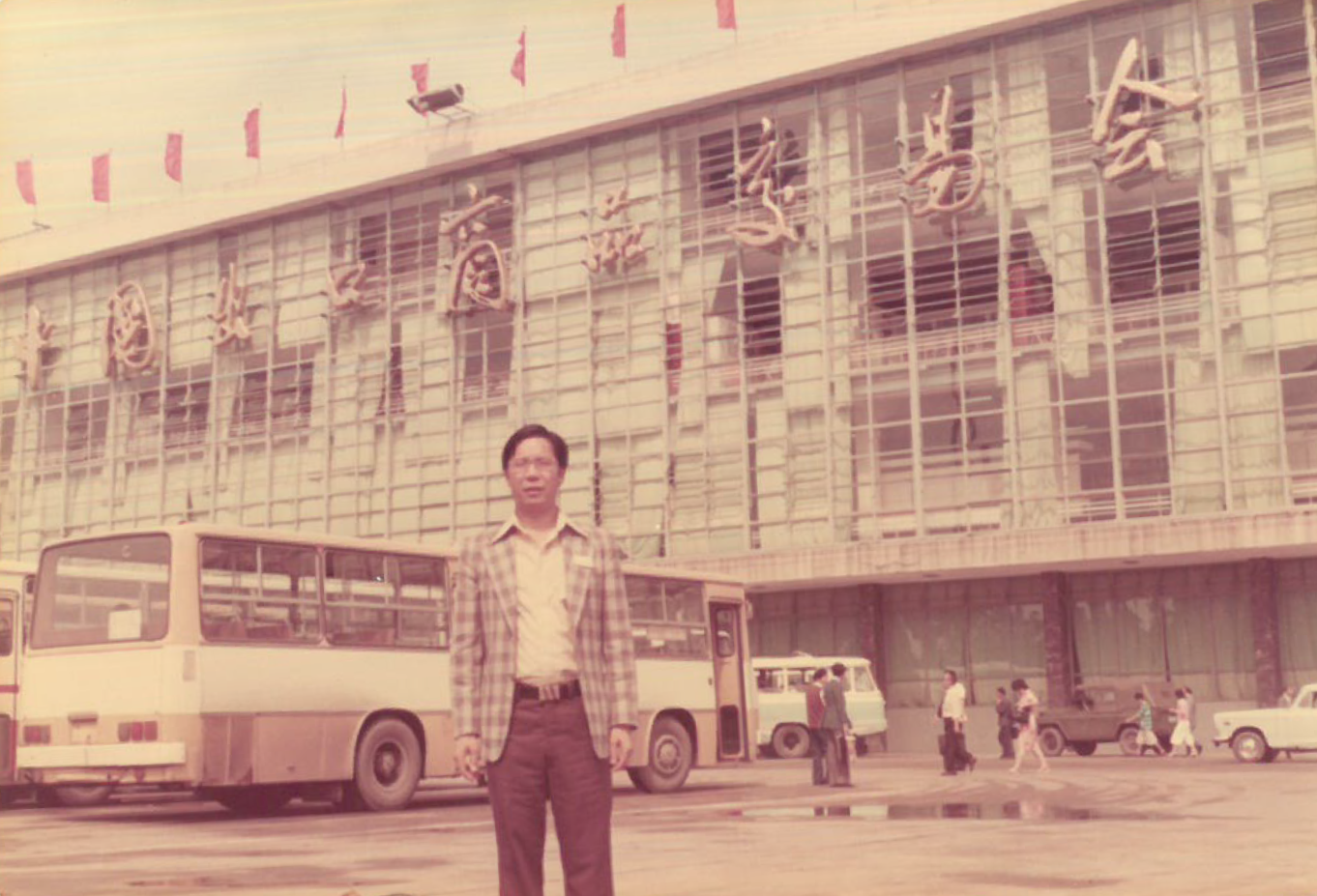
When talking about his early exhibition experiences, what touched Lam most were the memories of material scarcity. “In the early days, we stayed at the Overseas Chinese Building, Ai Qun Building or Xinhua Hotel. The best — the Dong Fang Hotel — was mostly reserved for foreign merchants.”
What is hardest for modern young people to imagine are the prices and daily life details of that time. “When eating at restaurants, money alone was not enough; you also had to ask friends for grain coupons. At that time, RMB, HKD, foreign exchange certificates and grain coupons were all intertwined, making the procedures very cumbersome.” Lam joked, “Although it was troublesome, things were really cheap back then — one yuan could buy three bottles of soda. When staying at a hotel, you didn’t hand over the key; you had to leave it at the counter when going out and pick it up when you returned. That kind of social scene is hard to imagine now.”
Transportation was another major challenge. In those days, train tickets from Hong Kong to Guangzhou were extremely difficult to obtain. “When crossing the border, watches and cameras had to be registered one by one.” Compared with today’s convenient one-hour living circle, a trip to Guangzhou back then could be described as a “long march”.
From raw material procurement to going global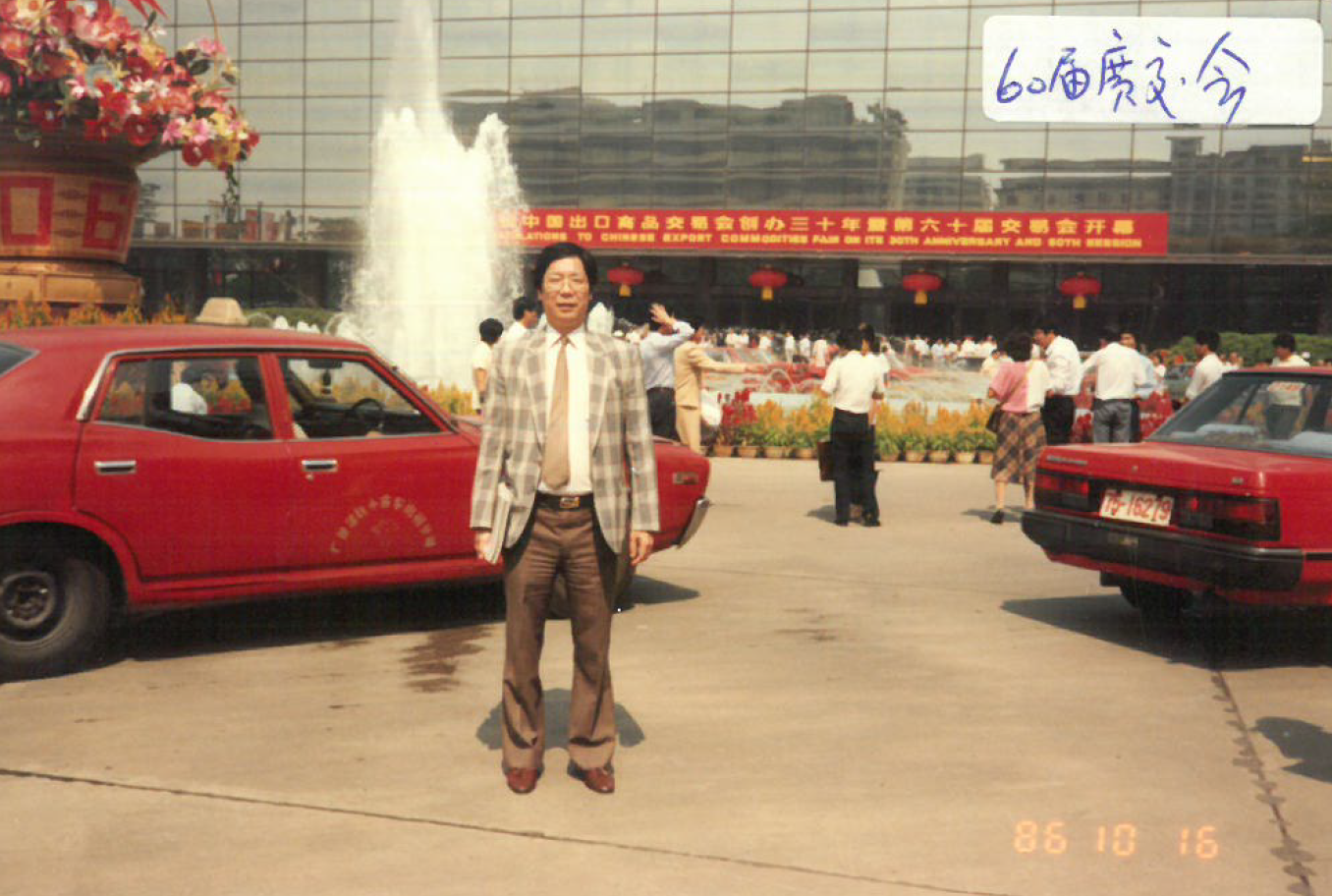
After the exhibition venue moved to Liuhua Road in 1979, the scale and products of the Canton Fair began to undergo qualitative changes. Lam recalled that early exhibits mainly consisted of agricultural products, local specialties, traditional Chinese medicine and light industrial products. “Even machinery was just simple tractors.”
However, for Lam, the greatest benefits brought by the Canton Fair were talent and information. As Hong Kong’s labor costs rose, he took the lead in moving his production lines northward in 1978–79 through opportunities at the Canton Fair. He lamented: “It was becoming increasingly difficult to hire workers in Hong Kong at that time. The Mainland had just opened up, and labor was cheap. We recruited for 400 positions, but over a thousand people applied — the enthusiasm was truly shocking.”
In addition, the Canton Fair was a stage for building valuable connections. “Through this platform, I met foreign merchants and peers from all over the world. Everyone introduced business to each other and learned about market dynamics and raw material prices in various countries. This allowed my trade volume to grow rapidly. Buying cheaply and selling accurately naturally expanded the business.”
Younger generation should broaden their horizons
From the Liuhua Road exhibition hall, which he visited for many years, to the current Pazhou exhibition complex that cannot be fully explored even in three days; from exporting large passenger buses to today’s high-tech products, electric vehicles and smart manufacturing — Lam has witnessed China’s transformation “from basic to cutting-edge”.
To the young talents in the business community, Lam offered sincere advice: “Today’s Canton Fair is no longer just a place for buying and selling goods, but a space for gaining knowledge and broadening horizons. Young people should participate more actively.”
He emphasized that the new generation of entrepreneurs should use the Canton Fair to strengthen connections, proactively meet businessmen from various countries and understand the global economic pulse. “This is the best opportunity to understand the country and the dynamics of the world. Today’s China is very impressive — from accommodation, transportation to product strength, everything is world-class. Young people should go with a broad vision to explore this brand-new space.”
Over 50 years of spring blossoms and autumn fruits, the story of Lam and the Canton Fair can be said to be a microcosm of the Hong Kong business community growing and prospering together with the motherland.