

Actively expanding antique and modern & contemporary segments
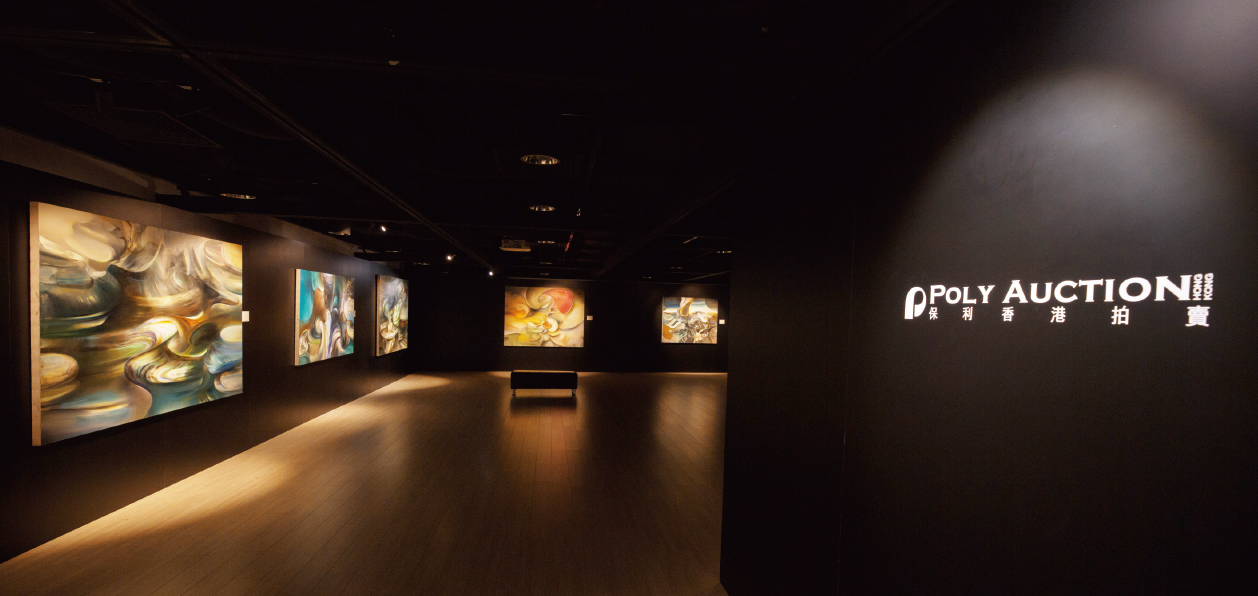
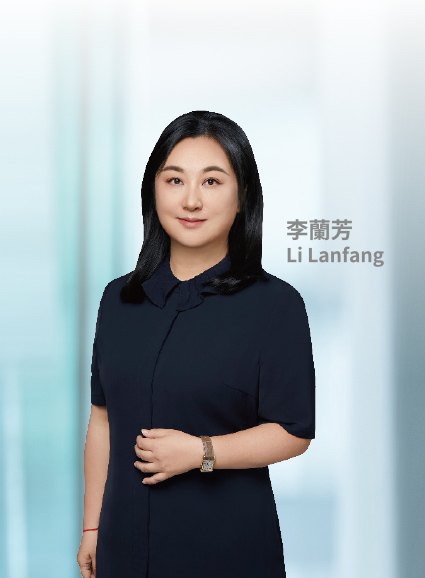
In the global art market landscape, Hong Kong, as an international metropolis, stands at the forefront of East-West civilizational dialogue. It has been 14 years since Poly Auction Hong Kong established its presence in this city. When discussing growth trends across various categories, Li Lanfang, Art Consultant at Poly Auction Hong Kong, pointed out that modern and contemporary art is developing most rapidly in Hong Kong and remains the key area where the company will continue to invest heavily. At the same time, she is particularly optimistic about the potential of the antique sector.
“We are very honored this season to have secured the old collection from the The Tsui Museum of Art. Mr Tsui is a world-renowned collector whose donations of Chinese galleries can be found at the V&A Museum in the UK and the National Gallery of Australia.” Li believes that obtaining such a significant private collection consignment is not only recognition of Poly Auction Hong Kong’s reputation built over many years, but also an important turning point for the expansion of the company’s antique business. In addition, Poly Auction Hong Kong has recently hired highly influential industry experts to join its jewellery and watches team, aiming to achieve leapfrog growth across all professional fields.
Showcasing the value of east-west artistic dialogue
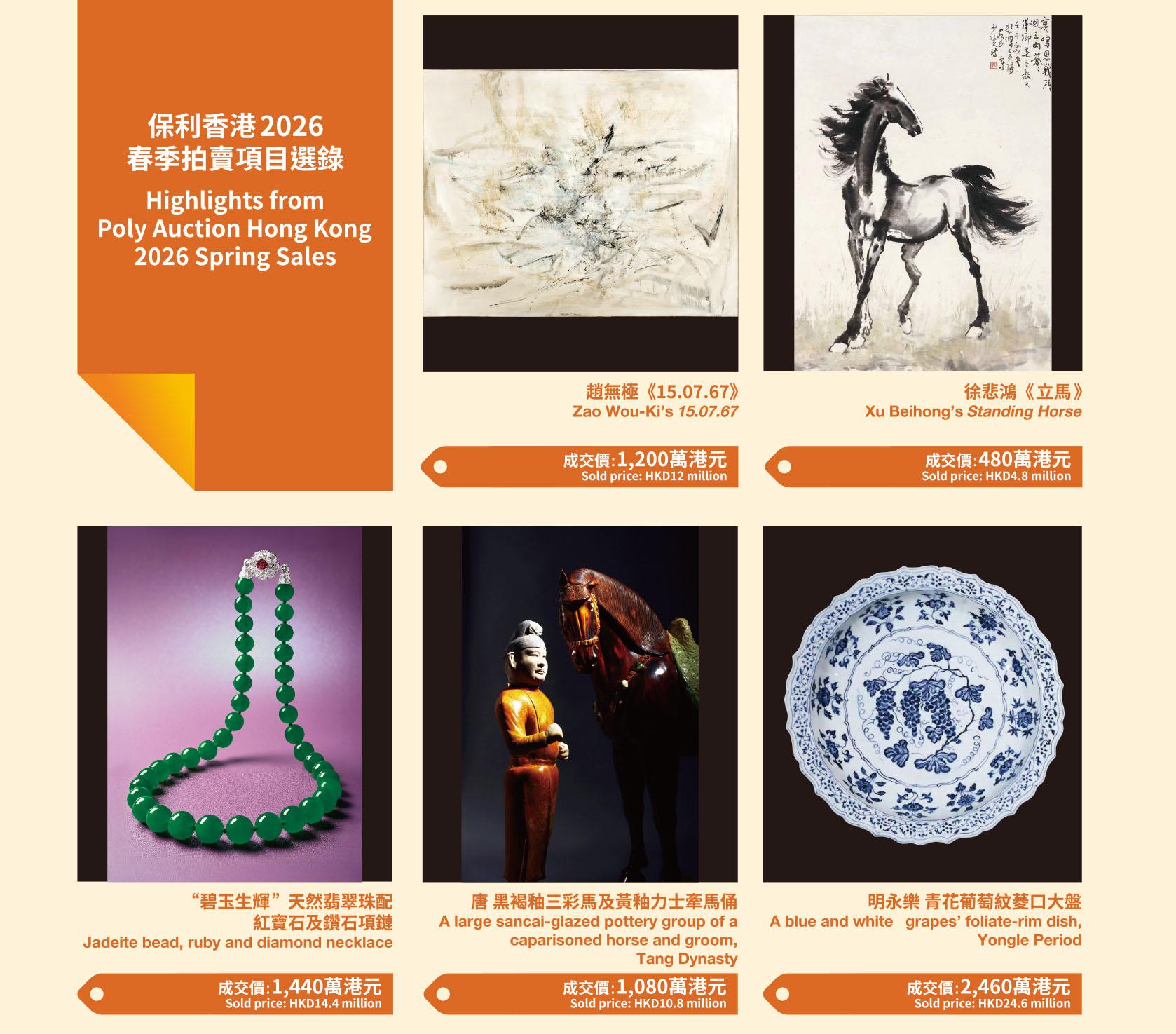
In the context of globalization, “East meets West” has become a key phrase in the art market. Li interprets this in two dimensions: first, the fusion in artistic creation itself, such as the works of Chinese artists who studied in France like Wu Dayu, Zao Wou-Ki, and Wu Guanzhong, which transcend national boundaries and demonstrate the intersection of 20th-century Chinese art and Western aesthetics; second, the inclusiveness of auction platforms.
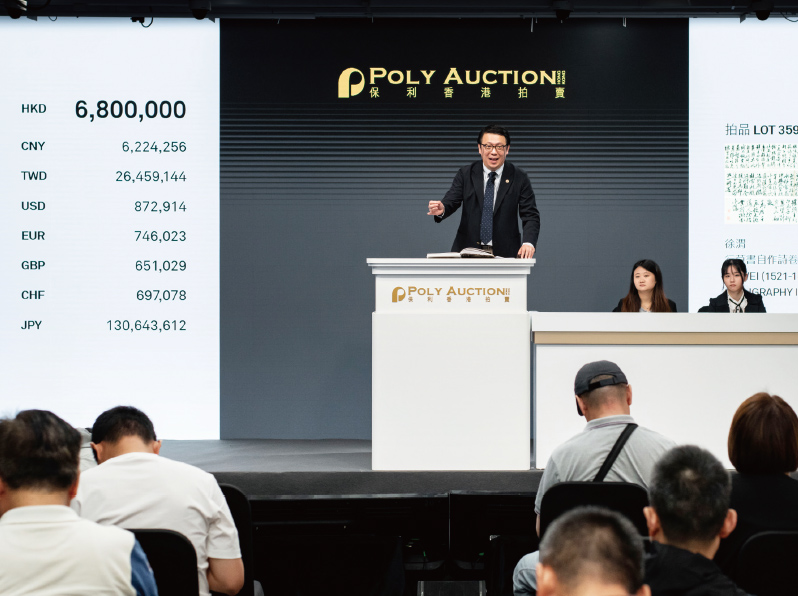
She said: “Auction houses must embrace diversity and inclusiveness. In Hong Kong, a city where Chinese and Western cultures coexist and multicultural integration thrives, we not only trade Chinese art, but also cover Northeast Asian, Southeast Asian, and Western post-war art.” She emphasized that Poly Auction Hong Kong has a clear positioning and stable operations, which gives the company a significant advantage in cross-field collaboration and resource matching. Compared with traditional international auction houses, although Poly’s history is not particularly long, it excels in flexibility and can more precisely align with international standards while serving global collectors.
Digital and physical
Faced with the online auction trend accelerated by the pandemic, Li maintains a cautious yet positive attitude. She revealed that although Poly Auction Hong Kong has fully implemented digital services, including AI animations, 3D modelling, and high-quality video displays, physical previews remain irreplaceable for important artworks.
“The emotional value and intellectual impact that artworks bring to people can only be generated through face-to-face viewing. Especially for seasoned collectors, they are more accustomed to handling antiques in person to feel their texture and artistic charm.” She believes that digital technology serves as an important enhancement to physical auctions and can attract the attention of younger audiences, but traditional telephone bidding and on-site bidding remain the core and most heartfelt transaction methods in the collecting community.
Transactions are the best teacher
For those interested in entering the field of collecting, Li offered practical advice. She believes that collecting should be tailored to the individual, and only genuine interest can sustain long-term collecting behavior.
“There is a saying in the industry: ‘Before learning to appreciate paintings, first learn about the people.’” Beginners should not rush into purchases but should listen more to expert opinions and attend more previews. She explained that the biggest difference between auction houses and museums lies in value orientation — museums aim to document the era, while auction houses are responsible for recommending treasures with appreciation potential and market liquidity.
For business leaders who are members of the Chamber, Li invited everyone to participate in their guided tours of fine collections. “We build lifelong advisory relationships with our clients. At the auction house, you can directly inquire about valuations and understand market reference metrics. What we pursue is a win-win situation — allowing collectors to gain emotional value while also achieving successful investment returns.”
Looking ahead to the next three to five years, Li is full of confidence in Hong Kong. With the evolution of the geopolitical landscape and the recovery of economic vitality, Hong Kong’s position in Asian and even global art transactions is expected to rise further. She is confident that Hong Kong will continue to leverage its platform advantages, enhance its international influence, and consolidate its status as the world’s third-largest art trading center.